

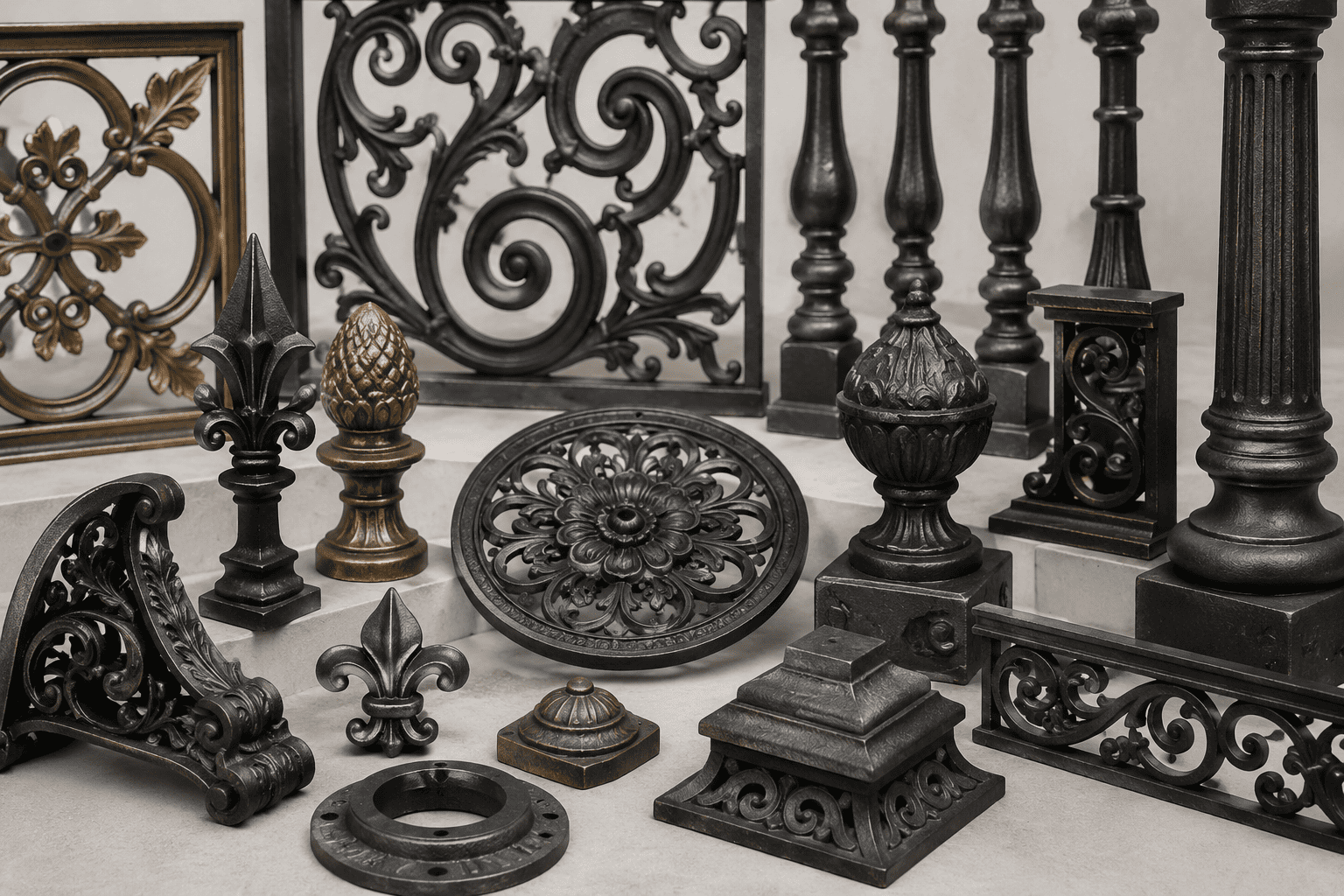
Introduction to Ornamental Castings
Ornamental castings play an important role in modern architecture, urban infrastructure, landscaping, and decorative engineering projects. Manufacturers produce ornamental cast iron products that combine durability, strength, and visual appeal for residential, commercial, municipal, and heritage applications.
Architects, contractors, developers, and infrastructure companies use ornamental castings in gates, railings, balconies, fencing systems, street furniture, garden décor, lighting poles, and restoration projects. These decorative cast iron components improve structural appearance while delivering long-lasting performance in outdoor environments.
Growing infrastructure development across the United Kingdom and international markets continues to increase demand for high-quality ornamental castings. Modern projects require products that offer premium aesthetics, corrosion resistance, precision detailing, and reliable structural integrity.
This article explains ornamental castings, manufacturing methods, materials, applications, benefits, and why decorative cast iron products remain essential for architectural and municipal projects worldwide.
What Are Ornamental Castings?
Ornamental castings are decorative metal components manufactured through casting processes using materials such as cast iron, ductile iron, steel, aluminium, and brass. Manufacturers design these castings to improve architectural appearance while maintaining durability and structural reliability.
Unlike standard industrial castings, ornamental castings focus heavily on design precision, surface finish, detailing, and decorative appeal.
Manufacturers produce ornamental castings in customised shapes, patterns, and dimensions according to architectural drawings and infrastructure requirements.
Types
Decorative Cast Iron Railings
Decorative railing castings enhance the appearance of residential buildings, parks, bridges, hotels, and commercial properties. Manufacturers create intricate floral patterns, geometric designs, heritage-inspired styles, and custom architectural elements for premium visual impact.
Ornamental Gates and Fence Components
Architectural projects commonly use ornamental castings for gates, entrance structures, fencing systems, and security barriers. These cast iron products combine elegance with strength and durability.
Decorative Balcony and Staircase Components
Manufacturers produce ornamental cast iron products for balconies, staircases, balustrades, and handrails used in luxury residential and commercial buildings.
Cast Iron Garden Furniture Components
Landscape designers and municipal authorities use ornamental castings in benches, tables, lamp posts, bollards, and decorative outdoor furniture.
Municipal and Urban Decorative Castings
Cities and infrastructure developers install ornamental castings in parks, public spaces, drainage systems, pedestrian areas, and heritage restoration projects.
Architectural Decorative Castings
Architectural ornamental castings include façade decorations, grilles, columns, brackets, panels, and customised heritage restoration components.
Materials Used
Manufacturers select casting materials based on durability, weather resistance, structural performance, and surface finish requirements.
Cast Iron Ornamental Castings
Cast iron remains one of the most widely used materials because it offers excellent castability, durability, machinability, and design flexibility.
Ductile Iron Ornamental Castings
Ductile iron provides higher tensile strength, impact resistance, and structural reliability for heavy-duty decorative applications.
Aluminium Decorative Castings
Aluminium ornamental castings offer lightweight performance and corrosion resistance for outdoor decorative structures.
Steel Ornamental Castings
Steel castings support modern architectural applications that require higher structural strength and durability.
Manufacturing Process
Manufacturers follow precise foundry and finishing processes to produce high-quality ornamental castings with excellent detailing and dimensional accuracy.
Pattern Design and Development
Design engineers create detailed casting patterns according to project drawings, customer requirements, and architectural specifications.
Mould Preparation
Foundry teams prepare sand moulds or customised moulding systems capable of capturing intricate decorative details.
Metal Melting and Pouring
Workers melt selected metals under controlled temperatures and pour molten material into prepared moulds.
Cooling and Fettling
After solidification, technicians remove excess metal, clean surfaces, and prepare castings for finishing operations.
Surface Finishing and Coating
Manufacturers perform grinding, shot blasting, polishing, machining, powder coating, painting, or galvanising depending on application requirements.
Inspection and Quality Control
Quality teams inspect dimensions, surface finish, detailing accuracy, and structural integrity before dispatch.
Applications
Residential Construction
Residential projects use ornamental castings in gates, balconies, staircases, decorative fencing, and garden structures.
Commercial Buildings
Hotels, office complexes, shopping centres, and luxury developments install decorative cast iron products to improve architectural aesthetics.
Heritage Restoration Projects
Heritage restoration projects require customised ornamental castings that replicate traditional Victorian and classical architectural designs.
Municipal Infrastructure
Municipal authorities use ornamental castings in public parks, pedestrian areas, drainage systems, lighting poles, and urban beautification projects.
Landscaping and Outdoor Design
Landscape architects use ornamental castings in decorative benches, bollards, garden furniture, and artistic outdoor installations.
Advantages
Elegant Architectural Appearance
Ornamental castings create premium visual appeal through detailed craftsmanship, decorative patterns, and timeless design styles.
Excellent Durability
Cast iron and ductile iron ornamental products withstand outdoor weather conditions, corrosion, impact, and long-term use.
Design Flexibility
Manufacturers can produce complex decorative patterns, customised shapes, and intricate architectural details efficiently.
Cost-Effective Manufacturing
Casting processes allow manufacturers to produce decorative metal components economically in small and large production volumes.
Long Service Life
Protective coatings and quality finishing processes help ornamental castings maintain their appearance and structural performance for decades.
Why UK Customers Prefer Ornamental Castings
Infrastructure developers, architects, contractors, and municipal authorities across the United Kingdom continue to prefer ornamental castings for architectural and urban development projects.
Victorian architecture and heritage restoration remain highly important in UK infrastructure projects. Decorative cast iron products help maintain traditional aesthetics while supporting modern structural performance.
UK buyers also prefer manufacturers that provide:
- Precision casting quality
- Custom design capability
- Export-grade finishing
- Consistent dimensional accuracy
- International quality standards
- Timely production and delivery
- Competitive manufacturing solutions
Quality Standards and Testing
Reliable manufacturers maintain strict quality control throughout the casting and finishing process.
Common Quality Inspections
- Dimensional inspection
- Surface finish inspection
- Material composition testing
- Coating thickness testing
- Visual defect inspection
- Structural strength testing
Many manufacturers also follow ISO standards and customer-specific quality requirements for export markets.
Future Demand
Global demand for ornamental castings continues to grow because modern infrastructure, landscaping, urban beautification, and heritage restoration projects require durable decorative metal products.
Architects increasingly combine traditional cast iron aesthetics with modern engineering and infrastructure design. This trend continues to create strong demand for reliable ornamental casting manufacturers and exporters.
Why Choose a Reliable Ornamental Casting Manufacturer?
Choosing an experienced ornamental casting manufacturer ensures:
- High-quality raw materials
- Precision decorative detailing
- Consistent casting quality
- Strong export packaging
- International manufacturing standards
- Timely project delivery
- Customised production capability
Reliable manufacturers help contractors, infrastructure developers, and architects complete projects efficiently while maintaining premium visual standards.
Conclusion
Ornamental castings combine architectural beauty with industrial strength. Industries across residential, commercial, municipal, landscaping, and heritage sectors use decorative cast iron products for long-lasting structural and visual performance.
From decorative railings and gates to municipal infrastructure and outdoor furniture, ornamental castings continue to support modern and traditional architectural projects worldwide.
Manufacturers that deliver precision ornamental castings with export-grade quality, detailed finishing, and reliable production standards can successfully serve growing demand across the UK and international markets.