

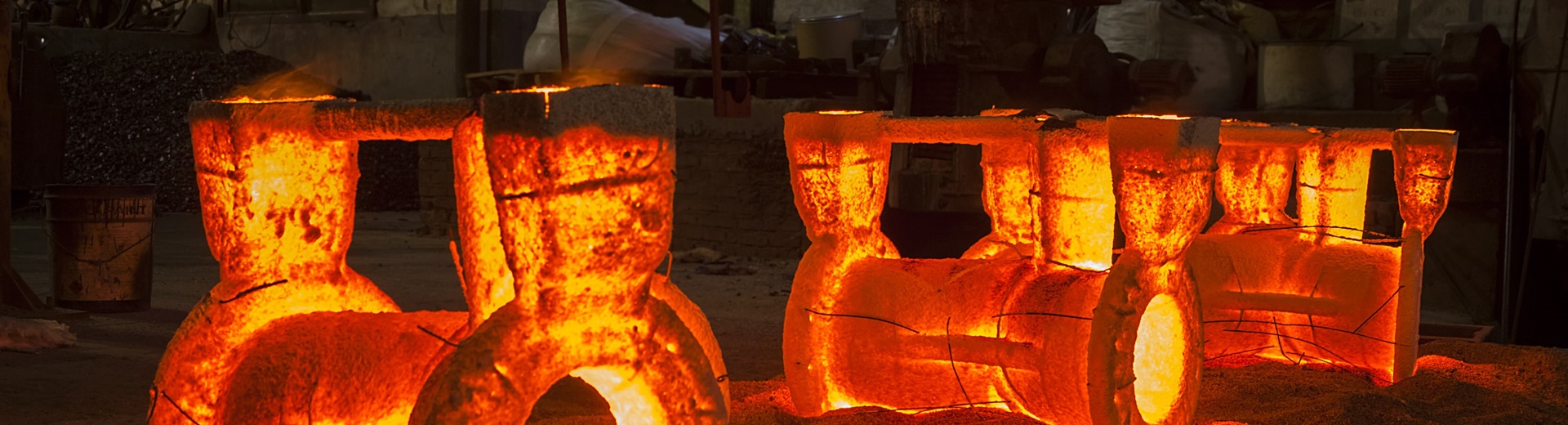
When comparing forged vs cast steel flanges, it is important to understand how the manufacturing process affects strength, durability, pressure handling, and industrial performance. Both forged steel flanges and cast steel flanges are widely used in industrial piping systems across oil & gas, petrochemical, power generation, marine, and water treatment industries.
Choosing the right industrial steel flanges depends on operating pressure, temperature conditions, application requirements, and long-term reliability. While forged steel flanges are preferred for high-pressure and critical applications due to their superior mechanical strength, cast steel flanges provide a cost-effective solution for moderate-pressure systems and complex flange designs.
In this guide, we explain the major differences between forged vs cast steel flanges, including their manufacturing process, advantages, applications, and which option is best for industrial use.
What Are Steel Flanges?
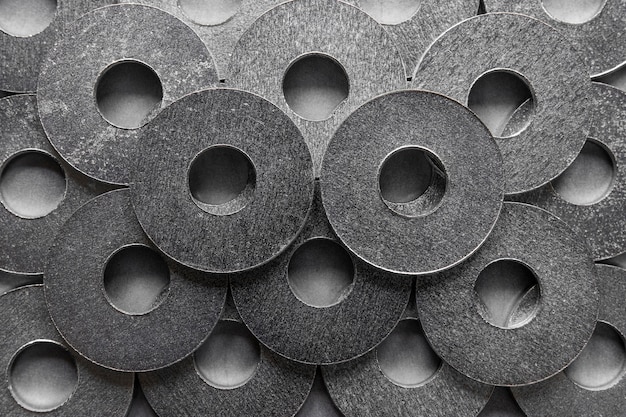
Steel flanges are mechanical pipe connection components designed to join piping systems and industrial equipment securely. They simplify maintenance, inspection, cleaning, and replacement operations while maintaining a strong and leak-resistant seal.
Industrial flanges are manufactured in various types including:
- Weld Neck Flanges
- Slip-On Flanges
- Blind Flanges
- Socket Weld Flanges
- Threaded Flanges
- Lap Joint Flanges
These flanges are available in carbon steel, stainless steel, alloy steel, duplex steel, and other industrial materials depending on application requirements.
What Is a Forged Steel Flange?
A forged steel flange is manufactured by heating solid steel billets or bars and shaping them under extremely high pressure using specialized forging equipment. The forging process refines the internal grain structure of the material, significantly improving its mechanical strength and structural integrity.
Forged flanges are widely used in critical industrial applications where high pressure, high temperature, and demanding operating conditions are involved.
Advantages of Forged Steel Flanges
1. Superior Strength and Structural Integrity
The forging process aligns the grain flow of the steel, resulting in enhanced strength and improved resistance to mechanical stress. Forged steel flanges are considerably stronger than cast steel flanges.
This makes them ideal for high-performance industrial piping systems.
2. Excellent Pressure Handling Capability
Forged flanges are specifically designed for high-pressure applications such as:
- Oil & gas pipelines
- Petrochemical plants
- Refineries
- Power generation facilities
- Offshore drilling platforms
- High-pressure steam systems
Their ability to withstand extreme operating conditions makes them a preferred choice in critical industries.
3. Better Mechanical Properties
Forged steel flanges offer:
- Higher tensile strength
- Improved fatigue resistance
- Better impact resistance
- Enhanced toughness
- Longer service life
These properties improve reliability and operational safety.
4. Low Porosity and Reduced Internal Defects
The forging process minimizes:
- Porosity
- Shrinkage cavities
- Internal voids
- Structural inconsistencies
As a result, forged flanges provide excellent integrity and lower risk of failure.
5. Better Machining and Surface Finish
Forged flanges generally provide:
- Better dimensional accuracy
- Improved surface finish
- Precise machining quality
- Reliable sealing performance
This ensures better installation and long-term operational efficiency.
What Is a Cast Steel Flange?
A cast steel flange is produced by pouring molten steel into specially designed molds and allowing it to solidify into the required shape. Casting is commonly used for manufacturing large-size flanges and complex flange configurations.
Cast steel flanges are typically used in low- to medium-pressure industrial applications where cost efficiency and design flexibility are important.
Advantages of Cast Steel Flanges
1. Cost-Effective Manufacturing
Casting is generally more economical than forging, especially for:
- Large production volumes
- Oversized flanges
- Complex flange shapes
This makes cast steel flanges a practical option for budget-sensitive industrial projects.
2. Suitable for Complex Designs
The casting process allows manufacturers to produce:
- Intricate geometries
- Large-diameter flanges
- Customized configurations
that may be difficult to manufacture using forging methods.
3. Good Performance in Moderate Applications
Cast steel flanges are commonly used in:
- Water treatment plants
- HVAC systems
- Utility pipelines
- Marine applications
- General industrial piping
where operating pressure and temperature are moderate.
4. Efficient Production for Large Components
Casting is often preferred for manufacturing large and heavy flange components efficiently and economically.
Forged vs Cast Steel Flanges: Major Differences
| Feature | Forged Steel Flanges | Cast Steel Flanges |
|---|---|---|
| Manufacturing Process | Forged under high pressure | Molten metal casting |
| Grain Structure | Refined and uniform | Less refined |
| Strength | Very high | Moderate |
| Pressure Resistance | Excellent | Good |
| Temperature Resistance | Excellent | Moderate |
| Durability | Long-lasting | Moderate |
| Porosity Risk | Very low | Higher |
| Mechanical Properties | Superior | Standard |
| Surface Finish | Better machining quality | Requires additional finishing |
| Cost | Higher | Lower |
| Best Applications | Critical industrial systems | General industrial systems |
This comparison helps buyers choose the right industrial flange based on operating conditions, safety requirements, and budget considerations.
Common Materials Used in Industrial Steel Flanges
Industrial flanges are manufactured using various material grades to suit different industries and operating environments.
Carbon Steel Flanges
Common grades:
- ASTM A105
- ASTM A350 LF2
Applications:
- Oil & gas
- Power plants
- Industrial pipelines
Stainless Steel Flanges
Popular grades:
- Stainless Steel 304
- Stainless Steel 316
- Stainless Steel 321
Benefits:
- Corrosion resistance
- High durability
- Hygienic applications
Alloy Steel Flanges
Common grades:
- F11
- F22
- F91
Used in:
- High-temperature systems
- Pressure piping
- Power generation
Duplex & Super Duplex Flanges
Preferred for:
- Offshore applications
- Corrosive environments
- Marine industries
Selecting the correct material grade is essential for ensuring performance, corrosion resistance, and long-term reliability.
Which Is Better: Forged or Cast Steel Flanges?
The answer depends on your industrial application, pressure requirements, operating temperature, and budget.
Choose Forged Steel Flanges If You Need:
- High-pressure resistance
- High-temperature performance
- Maximum durability
- Superior mechanical strength
- Critical industrial reliability
- Long service life
- Reduced risk of failure
Forged flanges are the preferred solution for industries where safety and reliability are essential.
Choose Cast Steel Flanges If You Need:
- Economical solutions
- Large-size flange production
- Complex flange designs
- Moderate-pressure applications
- Cost-efficient manufacturing
Cast steel flanges are widely used in general industrial systems where extreme conditions are not involved.
Applications of Forged Steel Flanges
Forged steel flanges are extensively used in:
- Oil & gas industry
- Petrochemical plants
- Refineries
- Power generation facilities
- Chemical processing industries
- Offshore drilling operations
- High-pressure industrial pipelines
Their superior strength and structural integrity make them ideal for demanding industrial environments.
Applications of Cast Steel Flanges
Cast steel flanges are commonly used in:
- Water distribution systems
- HVAC systems
- Marine piping
- Utility pipelines
- Fire protection systems
- General industrial applications
They provide reliable performance for moderate operating conditions.
Important International Standards for Steel Flanges
Leading industrial flange manufacturers follow globally recognized standards such as:
- ASME B16.5
- ASTM Standards
- ANSI Standards
- DIN Standards
- BS Standards
- EN Standards
Reliable manufacturers also conduct strict quality inspections including:
- Hydro Testing
- Ultrasonic Testing
- PMI Testing
- Dimensional Inspection
- Hardness Testing
- Visual Inspection
These tests ensure consistent quality, dimensional accuracy, and compliance with international industrial requirements.
Why Global Buyers Source Steel Flanges from India
India has become one of the leading global hubs for industrial flanges and piping products due to:
- Competitive manufacturing costs
- Skilled engineering expertise
- International quality certifications
- Strong export infrastructure
- Large-scale production capabilities
- Reliable global logistics support
Today, many EPC contractors, industrial importers, distributors, and project suppliers prefer sourcing forged steel flanges, stainless steel flanges, and industrial pipe fittings from experienced Indian manufacturers.
Conclusion
Both forged steel flanges and cast steel flanges play important roles in industrial piping systems. However, forged steel flanges are generally considered the superior option for high-pressure, high-temperature, and critical industrial applications due to their exceptional strength, durability, and structural reliability.
Cast steel flanges remain a practical and cost-effective solution for moderate-pressure systems and applications requiring complex or large flange configurations.
Before selecting a flange type, industrial buyers should carefully evaluate:
- Operating pressure
- Temperature conditions
- Material grade
- Corrosion resistance
- Industry standards
- Budget requirements
- Long-term performance expectations
Working with an experienced industrial flange manufacturer and exporter ensures better product quality, technical support, and long-term operational reliability.
Looking for a Reliable Steel Flange Manufacturer & Exporter?
We manufacture and export:
- Forged Steel Flanges
- Carbon Steel Flanges
- Stainless Steel Flanges
- Alloy Steel Flanges
- Industrial Pipe Fittings
- Custom Flange Solutions
Our products are manufactured according to international standards and undergo strict quality inspection before dispatch to ensure superior quality and reliable industrial performance.
Contact us today for:
- Technical support
- Product specifications
- Export inquiries
- Bulk industrial orders
- Custom manufacturing solutions
1 thought on “Forged vs Cast Steel Flanges: Key Differences, Advantages & Industrial Applications”